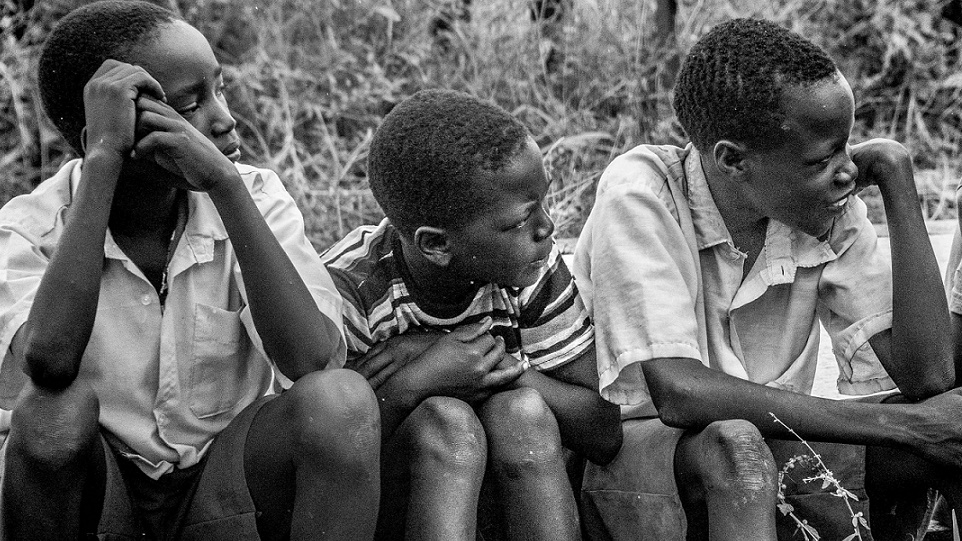
Each programme area responds to particular needs in children's lives. The explanations below describe the purpose of each area, the challenges it addresses and the positive changes it seeks to encourage.
01Child Rights
Every child has dignity and deserves respect, protection and the opportunity to develop. Child rights work promotes understanding that children are individuals with rights, not simply dependants whose needs can be overlooked. It encourages families, communities and institutions to recognise their responsibilities towards children and to consider children's best interests when making decisions that affect them.
This programme area can help increase awareness of children's rights, encourage respectful treatment and strengthen understanding of the importance of education, health, identity, participation and protection from harm. Its wider purpose is to help create communities in which children's dignity is recognised and their needs are taken seriously.
02Child Protection
Children need to be safe at home, in schools, in their communities and in every environment where they receive care or support. Child protection focuses on preventing and responding to abuse, neglect, exploitation, violence and other situations that place children at risk.
Protection involves more than responding after harm has occurred. It includes promoting awareness, encouraging safe behaviour, recognising warning signs and ensuring that concerns can be referred to appropriate people or authorities. Strong safeguarding practices, responsible adult conduct and careful handling of children's personal information are important parts of this work. The aim is to help children grow up in safer environments where their dignity and wellbeing are respected.
03Education
Education gives children opportunities to gain knowledge, discover their abilities and prepare for the future. Yet some children face barriers that make it difficult to enrol in school, attend regularly or continue learning. Financial hardship, lack of learning materials, family responsibilities and other challenges can affect their educational progress.
The education programme area focuses on the importance of access to learning, encouragement from caregivers and supportive educational environments. Depending on the needs identified and resources available, relevant support may include helping families understand educational opportunities, promoting school participation and working with appropriate education stakeholders. The long-term aim is to help children learn, build confidence and access the opportunities education can provide.
04Health & Nutrition
Children's health affects their growth, concentration, learning and daily wellbeing. Adequate nutrition, clean surroundings, appropriate healthcare and reliable health information are important foundations for healthy development. When families face hardship or lack access to relevant services, children may experience additional difficulties.
This programme area promotes awareness of children's health and nutritional needs and the importance of seeking appropriate care. Work in this area may involve health education, nutrition awareness, links with qualified providers and cooperation with relevant community services, according to the needs and resources involved. Its purpose is to encourage healthier conditions for children and help caregivers make informed decisions about their wellbeing.
05Early Childhood Development
The early years are an important period for physical, emotional, social and cognitive development. During this stage, children begin to develop communication skills, curiosity, relationships and the foundations for later learning. A safe and stimulating environment, responsive caregiving, play and good nutrition can all contribute to healthy development.
Early childhood development promotes understanding of the needs of young children and the importance of supportive care from parents, caregivers and early learning environments. This area can encourage age-appropriate play and learning, caregiver awareness and attention to developmental needs. The goal is to help children build a strong foundation for future learning, relationships and wellbeing.
06Children with Disabilities
Children with disabilities have the same dignity and right to safety, education, care and participation as other children. However, inaccessible environments, stigma, discrimination and limited access to suitable services can create barriers to their development and inclusion.
This programme area promotes acceptance, equal opportunities and respect for each child's abilities and individual needs. It encourages families, schools and communities to consider accessibility, inclusive participation and appropriate support. Collaboration with caregivers and qualified service providers can help identify barriers and possible solutions. The aim is to ensure that disability does not become a reason for a child to be excluded, overlooked or denied opportunities to thrive.
07Gender Equality
Every child deserves fair treatment and the opportunity to learn, participate and develop regardless of gender. Unequal expectations, discrimination and harmful social attitudes can limit children's choices, safety and access to opportunities. These barriers can affect education, wellbeing, participation and future prospects.
Gender equality work promotes fairness, respect and awareness of the barriers children may face. It encourages families and communities to value every child's potential, challenge harmful assumptions and support equal access to appropriate opportunities. This includes recognising that girls and boys may experience different risks and pressures that deserve thoughtful attention. The wider goal is a safer and fairer environment in which children can develop their abilities without discrimination.
08Water, Sanitation & Hygiene
Safe water, suitable sanitation and good hygiene are essential to health, dignity and a supportive learning environment. Where these are inadequate, children and families can face increased health risks, disrupted school participation and difficult daily living conditions. Children also need reliable information and safe facilities that allow them to practise good hygiene.
The WASH programme area promotes awareness of safe water use, sanitation, handwashing and hygienic surroundings. Depending on local needs and available resources, relevant work may also involve identifying gaps in facilities and connecting communities with suitable service providers or partners. Its purpose is to encourage healthier environments for children at home, in learning settings and throughout their communities.
09Behaviour Change
Children's wellbeing is influenced by everyday habits, social attitudes and the decisions made by the people around them. Positive behaviour change involves helping individuals and communities understand how their actions can affect children's safety, health, relationships and development. Information alone may not be enough; people also need encouragement, practical understanding and environments that support healthier choices.
This programme area focuses on promoting positive habits and constructive attitudes through appropriate awareness, discussion and community engagement. Relevant topics may include respectful relationships, child safeguarding, hygiene, supportive caregiving and other behaviours connected to children's needs. The intended change is not simply greater awareness, but a stronger willingness to put helpful knowledge into practice in everyday life.
10Adolescent Development
Adolescence is a period of important physical, emotional and social change. Young people begin making more independent decisions, forming their identities and thinking about their future. They may also face peer pressure, uncertainty, unequal opportunities and risks that require reliable information, supportive relationships and safe environments.
Adolescent development promotes the importance of confidence, life skills, positive decision-making, participation and access to appropriate guidance. It recognises that young people should be listened to and treated with respect while receiving age-appropriate support. Working with families, schools and relevant community partners can help young people strengthen their abilities, navigate challenges and prepare for responsible participation in society.
11Emergency & Humanitarian Support
Emergencies, displacement, sudden loss and severe family hardship can disrupt children's lives and place their safety and essential needs at risk. During difficult periods, children may lose access to education, stable care, adequate food, safe shelter or other essential services. Responses need to consider their immediate needs while protecting their dignity and wellbeing.
This programme area focuses on the importance of timely, appropriate and coordinated support when children and families face urgent difficulties. According to the circumstances and resources available, support may include identifying urgent needs, helping connect families with relevant services, coordinating with appropriate responders and promoting child-sensitive assistance. Responsible humanitarian support should prioritise safety, fairness, accountability and the protection of children from further harm.