

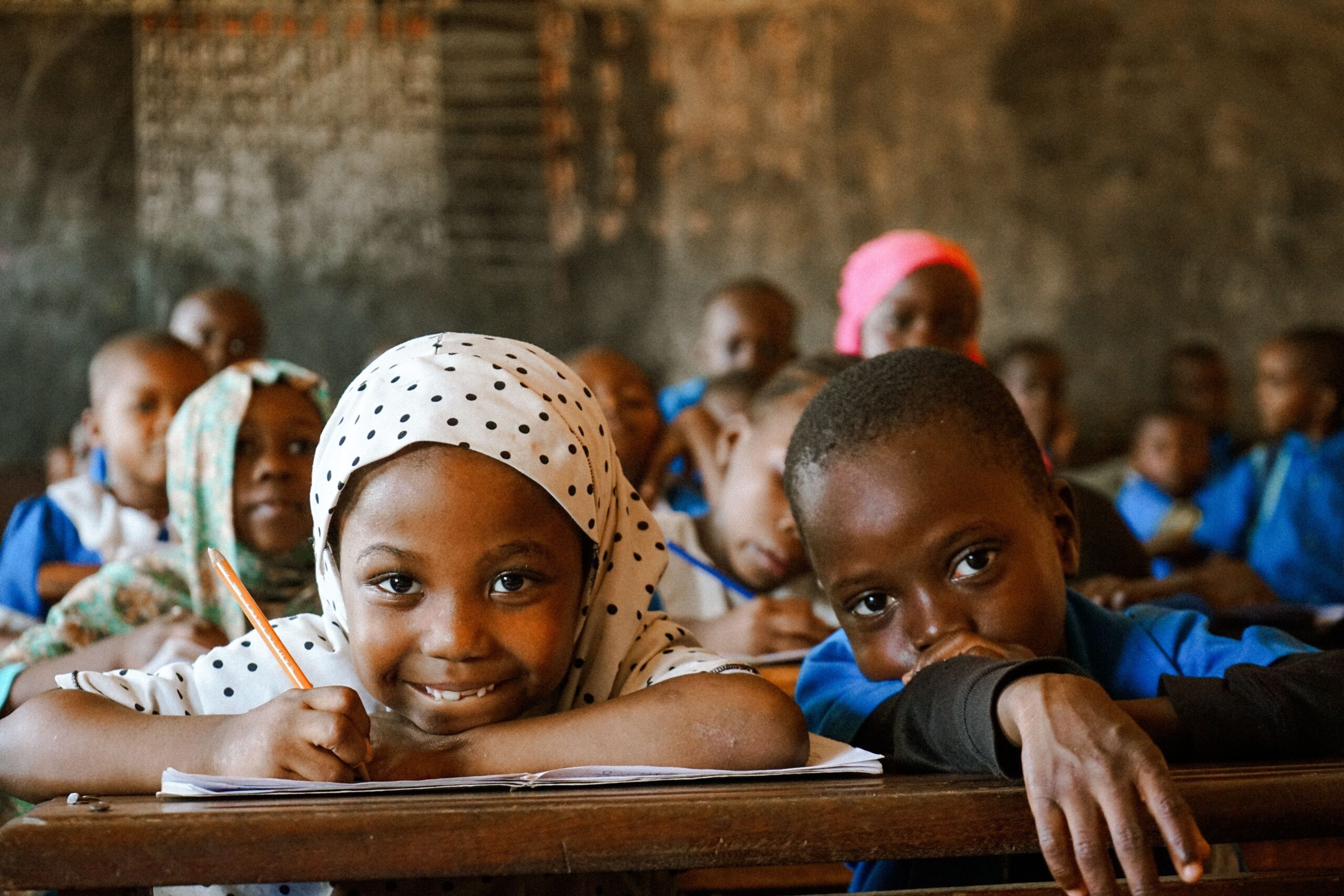
Education and Learning
Helping children access learning and overcome barriers that keep them out of school, in cooperation with families and schools.
Learn moreWe work towards a future where every child has the opportunity to grow up safe, receive an education, stay healthy and live with dignity. Through child-focused support and community cooperation, AFTACH seeks to help create stronger foundations for children and their families.

Childhood should be a time for learning, growth, safety and hope. Yet many children face difficulties that affect their education, health, protection and opportunities for the future.
At Aid for the African Child (AFTACH), we recognise that these challenges are often connected. A child may struggle to attend school when their family lacks essential resources. Poor health can interfere with learning, while unsafe surroundings can affect a child's sense of security and development.
This is why our work considers the wider circumstances surrounding children. We believe that meaningful progress involves caring for children's immediate needs while also strengthening the families, communities and support systems that influence their lives.
Our aim is to contribute to environments where children are valued, protected and given opportunities to develop their abilities. We approach this responsibility with respect for children's dignity and an understanding that lasting progress requires cooperation, careful planning and responsible action.
Every child safe. Every child schooled. Every child hopeful.
Our motto expresses the future we want to help build: one in which children are protected, supported in their education and encouraged to approach life with confidence and hope.

Children have different needs depending on their age, family circumstances and environment. Our areas of work reflect the importance of supporting the whole child rather than treating each challenge as though it exists in isolation. The activities undertaken in each area should be guided by identified needs, available resources, appropriate expertise and the capacity to deliver support responsibly.
Helping children access learning and overcome barriers that keep them out of school, in cooperation with families and schools.
Learn more
Promoting health awareness, hygiene, nutritious food and timely access to relevant services.
Learn more
Promoting children's rights and safer environments, with every safeguarding concern treated seriously.
Learn more
Supporting caregivers and community cooperation that respects family dignity and real circumstances.
Learn more
Supporting appropriate responses to urgent needs, guided by need, fairness and responsible use of resources.
Learn more
Helping young people build skills, confidence and a voice in decisions that affect their lives.
Learn more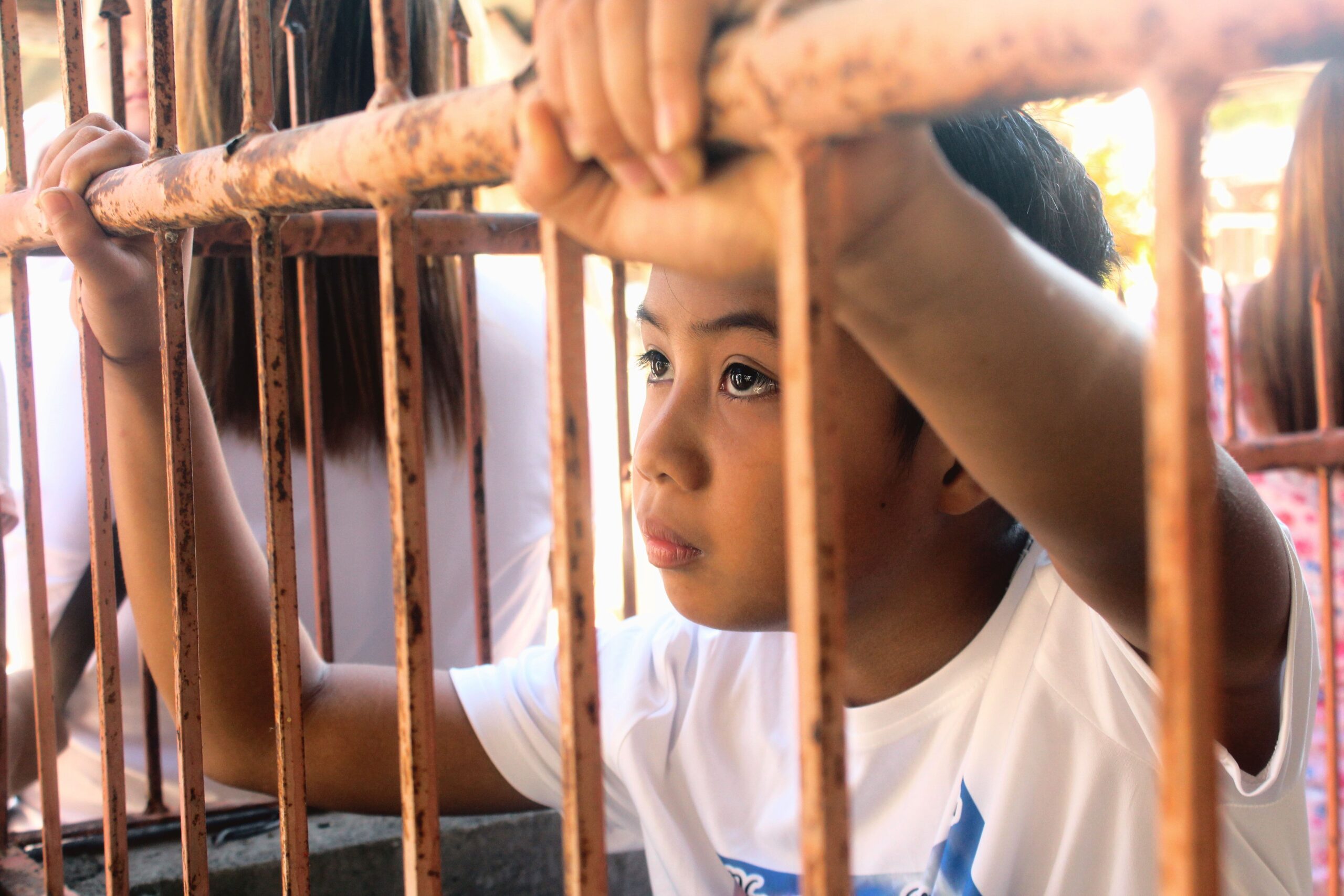
Raising awareness of children's rights and needs responsibly, accurately and with respect.
Learn more
Considering care, shelter and supportive environments carefully, with children's best interests first.
Learn more
The exact activities carried out within these areas depend on identified priorities, available funding, partnerships and implementation capacity. We believe it is important to communicate honestly about what is planned, what is currently being delivered and what has been achieved, so that supporters can understand our work clearly.


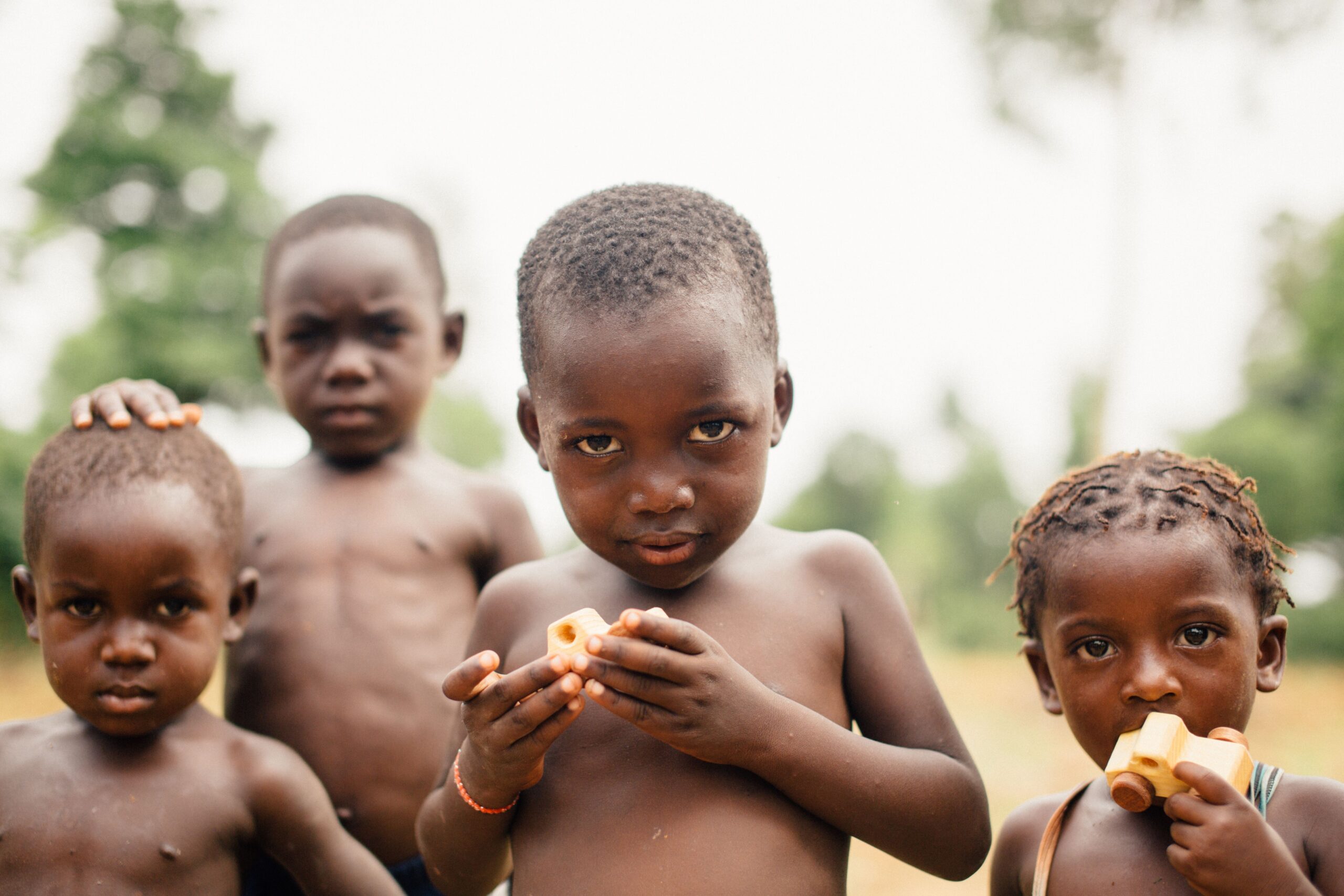
Good intentions are important, but responsible support also requires listening, planning, cooperation and learning. AFTACH seeks to approach children's needs with care and to consider the circumstances that shape their everyday lives.
Effective work begins with understanding the people it is intended to serve. Children, parents, caregivers, educators and community representatives can provide valuable perspectives on the challenges they face and the support that may be useful. Engagement should be respectful and inclusive, with children's participation handled in age-appropriate and safe ways.
Each community has its own circumstances, resources and priorities. Activities should therefore be informed by the needs identified rather than assumptions. Careful planning helps set realistic objectives, identify the resources required and determine whether an intervention can be delivered safely and responsibly.
No single organisation can address every challenge affecting children. Cooperation with relevant schools, community groups, service providers, public institutions and other organisations can help connect families with knowledge and services that are appropriate to their circumstances. Partnerships should have clear purposes, defined responsibilities and shared expectations.
Children's needs and community circumstances can change over time. Reviewing activities, listening to feedback and learning from challenges can help improve future decisions. Appropriate monitoring also helps an organisation understand whether its work is reaching the intended people and whether its activities are contributing towards the outcomes it seeks.
Trust is built through conduct, not words alone. The way an organisation treats children, manages resources, works with partners and reports its progress matters just as much as the goals it sets.
Children's safety must come before publicity, fundraising or organisational convenience. Their stories, photographs and personal information should be handled with appropriate consent, privacy protections and safeguarding considerations. Concerns about possible harm require responsible attention and appropriate action.
Every child deserves to be treated with respect. Support should be provided without unfair discrimination and with sensitivity to children's different circumstances, abilities and needs. Children and families should never be made to feel that their dignity depends on whether they receive assistance.
Money, materials, professional time and other contributions entrusted to an organisation should be handled carefully. Appropriate records, oversight and clear responsibilities help ensure that resources are used for their intended purposes and that concerns can be addressed responsibly.
Supporters and partners deserve clear information about an organisation's work. Reporting should distinguish ambitions from completed activities and measured results. Claims about impact should be supported by appropriate evidence, and limitations should be communicated honestly.

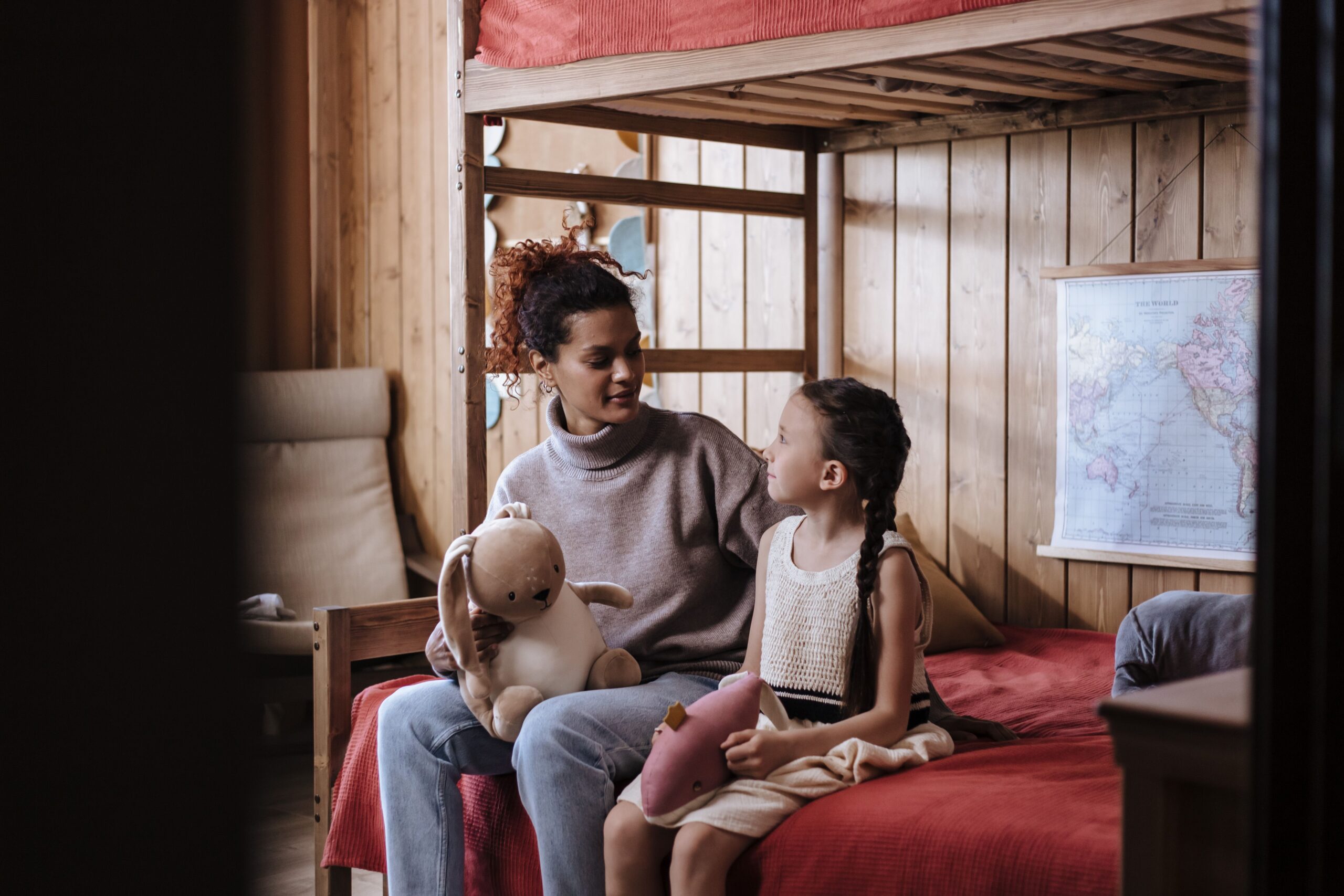
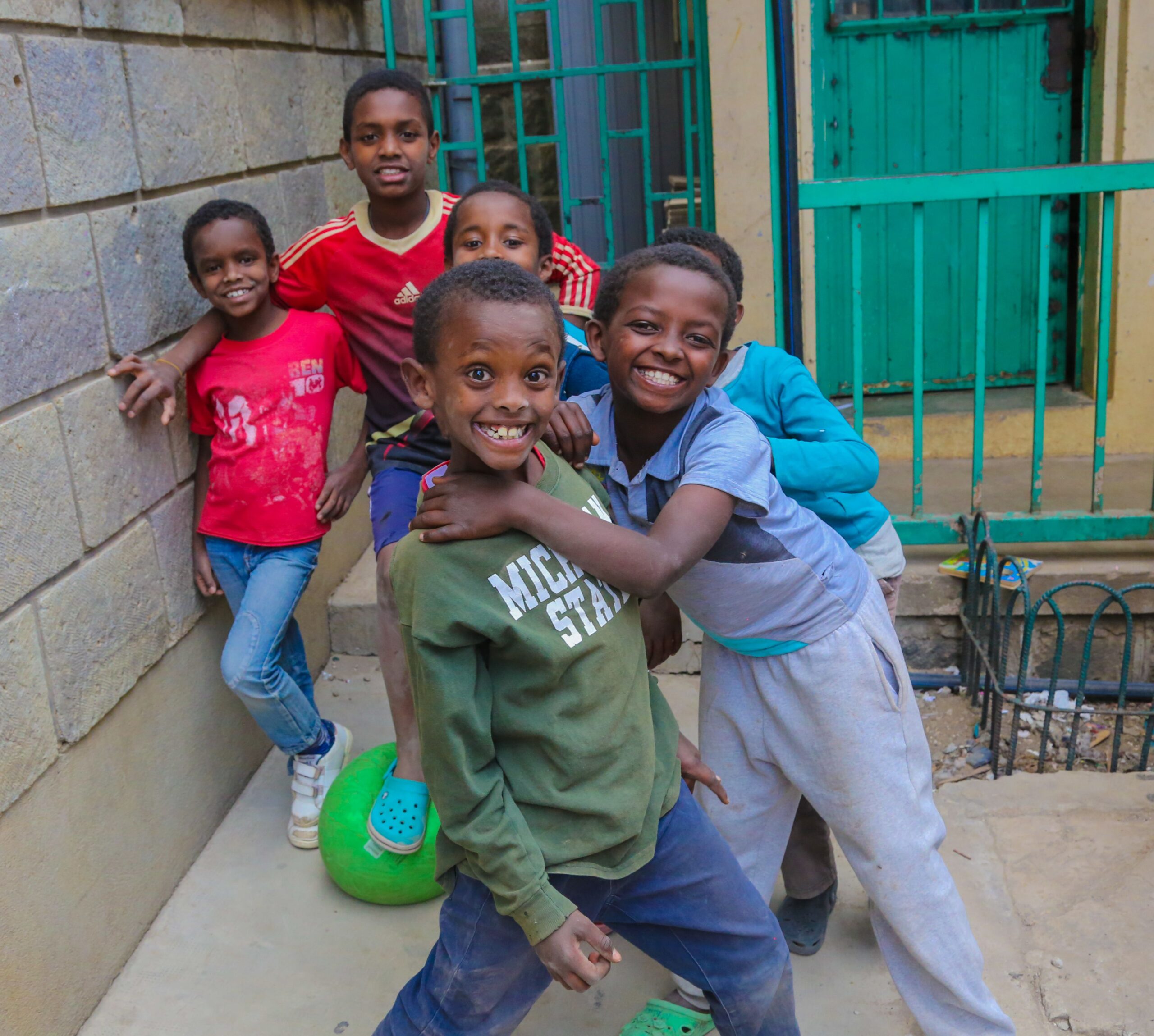

Supporting children is a shared responsibility. Families, communities, public institutions, civil society, responsible businesses and individual supporters can all contribute to a future in which children have better opportunities.
AFTACH welcomes constructive conversations with individuals and organisations that share a commitment to children's wellbeing. Depending on our priorities and capacity, cooperation may involve professional expertise, appropriate materials, financial support, educational opportunities, community engagement or assistance with developing sustainable initiatives.
Strong partnerships are based on shared objectives, clear responsibilities, open communication and mutual respect. They should be designed around the needs and best interests of children, with appropriate safeguards in place and realistic expectations about what can be achieved.
If you represent a foundation, business, community organisation or institution, or you would like to contribute as an individual, we invite you to learn about opportunities to partner with AFTACH, volunteer or support our work. You can also contact our organisation to discuss an idea or ask for further information.
Our work is part of a wider commitment to children's wellbeing. Understanding our organisation, its priorities and its approach to accountability can help visitors, prospective partners and supporters make informed decisions about engaging with AFTACH.
Learn about Aid for the African Child, our purpose, vision, mission and values, and the commitments that guide our work. Read more about AFTACH.
Explore the program areas through which we seek to respond to the needs of children, families and communities. Discover our programs.
Learn why responsible oversight, careful resource management, transparency and clear accountability are important to our work. Read about governance and accountability.
Explore organisational news, updates and relevant stories that help visitors understand the work and issues affecting children. Visit stories and updates.
Whether you are interested in a partnership, volunteering, making a contribution or learning more about our work, we welcome the opportunity to hear from you. Together, we can explore responsible ways to support children and strengthen the communities around them.
Email: info@aftach.org | Phone: +256 705 630 377