HOW WE WORK • WHAT GUIDES US

Our Approach to Supporting Children and Communities

Lasting progress for children begins with understanding their needs, listening to their experiences and working respectfully with the people around them. AFTACH seeks to approach this responsibility through thoughtful planning, community cooperation, child safeguarding and a commitment to learning and accountability.

THE THINKING BEHIND OUR WORK

Children need more than short-term solutions

A child's wellbeing is influenced by many connected factors, including safety, education, health, family circumstances, community support and opportunities to participate in society.

At Aid for the African Child (AFTACH), our approach recognises that difficulties in one area of a child's life can affect other areas. A child who cannot access learning may also be experiencing financial hardship at home, health challenges or an unsafe environment. Understanding those connections helps identify more relevant ways to respond.

We believe responsible work starts by asking the right questions. What are children and families experiencing? What barriers are preventing progress? Which forms of support are appropriate? What resources, expertise and partnerships would be needed? How can children be protected throughout the process?

These questions help frame our intended approach. Rather than assuming that one solution will suit every community, we seek to recognise different circumstances and consider what is practical, safe and appropriate in each context.

Our motto captures the direction of this commitment: Every child safe. Every child schooled. Every child hopeful. It reminds us that protection, education and hope are connected parts of a future in which children can develop their abilities and live with dignity.

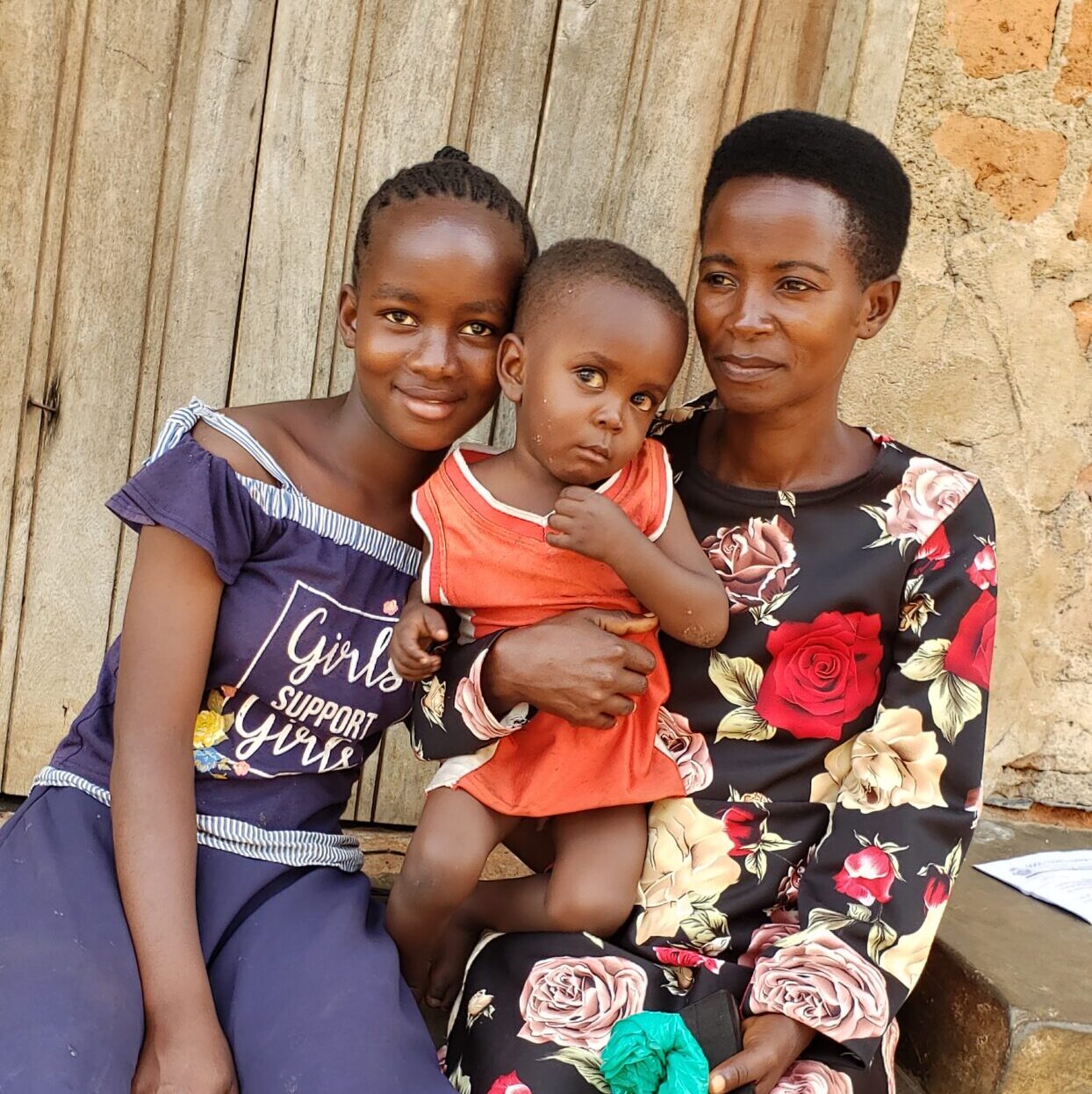
Children and community engagement connected with AFTACH's work
Our approach places children's dignity, circumstances and opportunities at the centre of planning.
OUR GUIDING PRINCIPLES

The principles that shape our approach

A responsible approach is not defined only by the activities an organisation chooses. It is also defined by how decisions are made, how people are treated and how responsibilities are carried out. These principles describe the standards AFTACH seeks to uphold as its work is planned and developed.

Respect for Every Child

Every child deserves dignity, respect and consideration regardless of their circumstances, abilities, background or family situation. Children should not be reduced to their difficulties or treated as passive recipients of assistance. Their individuality, strengths, aspirations and right to be heard matter.

Activities involving children should be designed with appropriate attention to their age, development, privacy, safety and best interests. Their dignity should remain protected in everyday interactions as well as in public communications.

Listening Before Acting

Effective support begins with understanding. Children, caregivers, educators and community members may have important knowledge about local challenges, existing strengths and practical solutions. Listening helps reduce assumptions and makes it easier to identify needs that might otherwise be overlooked.

Participation should be respectful, inclusive and appropriate to the people involved. Children's views should be sought safely, without pressure, and with suitable arrangements for their age and circumstances.

Inclusion and Fairness

Children do not all experience the same barriers. Age, disability, family circumstances, location and other factors may influence whether a child can access opportunities or services.

We seek to consider these differences when thinking about support. An inclusive approach means identifying barriers, treating people fairly and avoiding practices that exclude or stigmatise children and families. It also means recognising that equal dignity does not always mean identical needs.

Child Safety First

Children's protection must be considered from the earliest stages of planning through implementation and review. Activities, relationships, communications and partnerships can create risks if they are not carefully managed.

AFTACH is committed to promoting safer environments and responsible handling of safeguarding concerns. Read our Child Safeguarding page to understand the protection commitments described by the organisation.

Community Participation

Families and communities have knowledge, relationships and capacities that can contribute to children's wellbeing. Responsible work should recognise those strengths rather than assuming that all answers must come from outside a community.

Meaningful participation involves clear communication, listening to local perspectives and encouraging shared responsibility wherever appropriate. It should not transfer unreasonable burdens to families or communities without considering their resources and circumstances.

Honesty and Accountability

Good intentions must be accompanied by responsible decisions and honest communication. Plans, ongoing activities and verified achievements are different things and should be described accurately.

We recognise the importance of explaining how decisions are made, managing resources responsibly and learning from feedback. Accountability also means acknowledging limitations and avoiding promises that cannot reasonably be fulfilled.

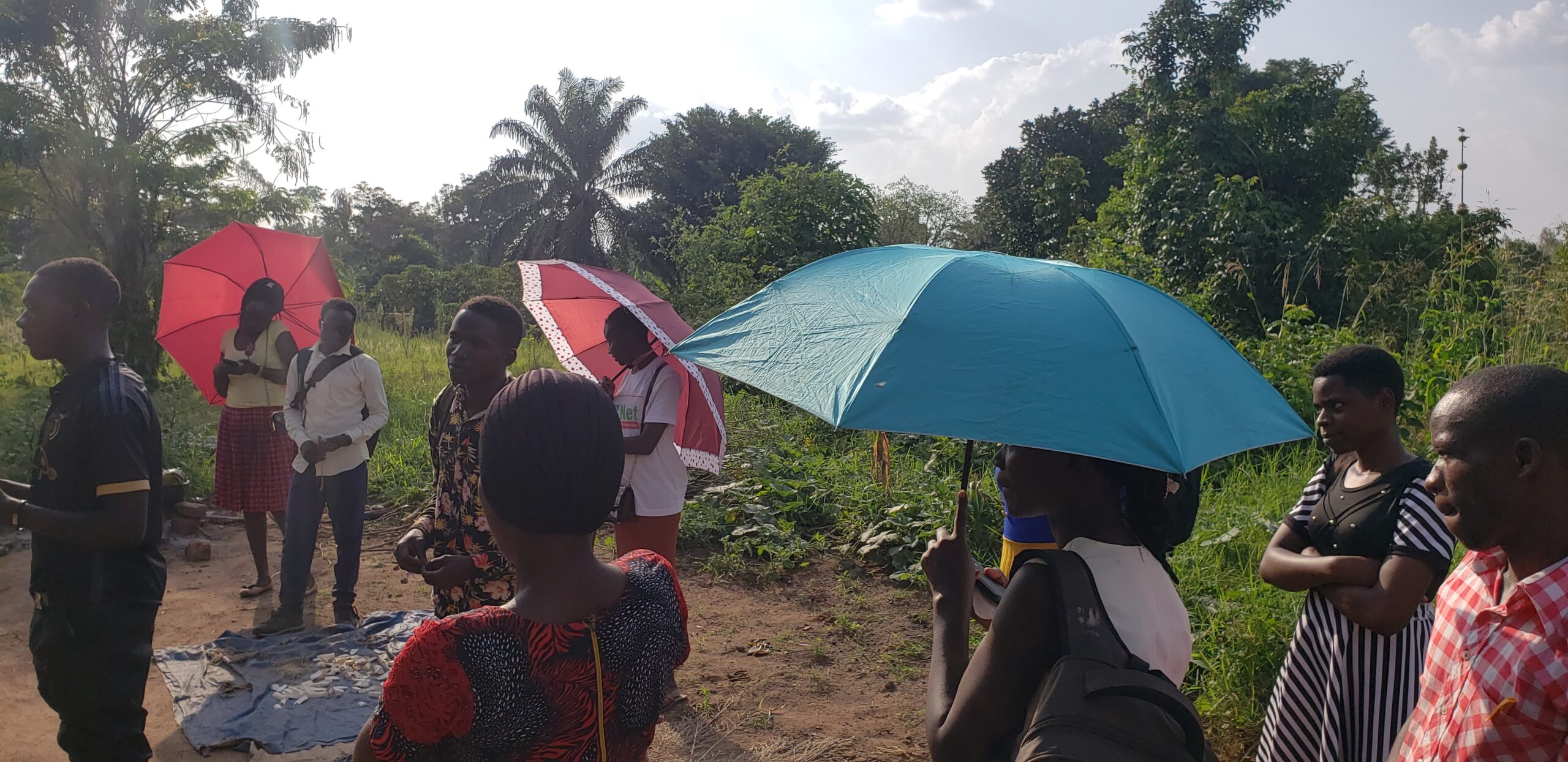
AFTACH programme activity showing children or community participation
Participating in family support where every supported family gets a shining smile.
UNDERSTANDING THE CONTEXT

Beginning with the real needs of children

Before an activity can make a meaningful contribution, it is important to understand the situation it is intended to address. Planning should be informed by real circumstances rather than assumptions about what children or families need.

Listening to children and caregivers

Children and their caregivers may describe challenges differently from institutions or service providers. Listening respectfully can help reveal practical barriers, existing support networks and opportunities for improvement. Discussions should be handled sensitively, especially where children may be describing difficult or personal experiences.

Children must never be pressured to disclose private information, recount distressing experiences for publicity or participate in activities that make them feel unsafe. Where a child raises a safeguarding concern, their immediate safety and appropriate referral or response must take priority over programme research or routine information gathering.

Recognising local strengths and challenges

Communities have different resources, relationships and services. Schools, caregivers, community groups, health workers and other local actors may already be providing important support. Understanding what exists helps avoid unnecessary duplication and can identify where cooperation might be useful.

It is equally important to recognise barriers that families may face, including limited resources, distance from services, inadequate facilities or difficulties accessing information. Any assessment should be proportionate, respectful and mindful of the time and privacy of the people involved.

Identifying priorities carefully

Not every identified need can be addressed at once. Decisions should take account of urgency, potential risks to children, available resources, organisational capacity and the presence of appropriate partners or specialist services.

Where needs exceed the organisation's expertise or resources, responsible action may involve seeking technical advice, working with qualified service providers or helping people identify appropriate services. It is important to be clear about what the organisation can and cannot provide.

Protecting privacy during engagement

Information about children and families should be collected only when there is a legitimate reason to do so, handled securely and shared only when appropriate. Photographs, personal stories and identifying details require particular care. Consent should never be treated as permission to ignore a child's safety, dignity or best interests.

FROM UNDERSTANDING TO ACTION

Turning priorities into responsible activities

Once a need has been identified, the next responsibility is to consider whether and how it can be addressed safely, realistically and effectively. Careful planning helps turn broad intentions into activities with a clear purpose and defined responsibilities.

Establishing a clear purpose

Each proposed activity should have a clear explanation of the need it intends to address, the people it is intended to support and the change it hopes to contribute towards. Clear objectives make it easier to explain why an activity matters and to assess whether it remains relevant as circumstances change.

Checking feasibility and capacity

A responsible plan considers the staff, skills, materials, funding, permissions, time and partnerships required. It also considers whether the organisation can deliver the activity without creating avoidable risks or making commitments beyond its capacity.

Identifying risks and safeguards

Activities involving children need a thoughtful assessment of potential harm, including risks associated with adults' access to children, travel, venues, digital communication, photography and the handling of personal information. Appropriate safeguards should be considered before activities begin and reviewed when circumstances change.

Defining roles and responsibilities

People involved in an activity should understand their roles, the limits of their responsibilities and who to contact when questions or concerns arise. Where partners are involved, expectations should be discussed clearly, including safeguarding, communication, resource management and reporting responsibilities.

Using resources responsibly

Resources should be planned and managed in line with the activity's purpose. Appropriate budgeting, records, authorisation and oversight help reduce waste and support accountability. Any contribution received for a stated purpose should be handled in accordance with the applicable commitments and requirements.

Reviewing readiness before starting

Before an activity proceeds, it is important to consider whether the necessary resources, permissions, safeguards, personnel and referral arrangements are in place. If critical requirements are missing, postponing or adapting the activity may be the more responsible choice.

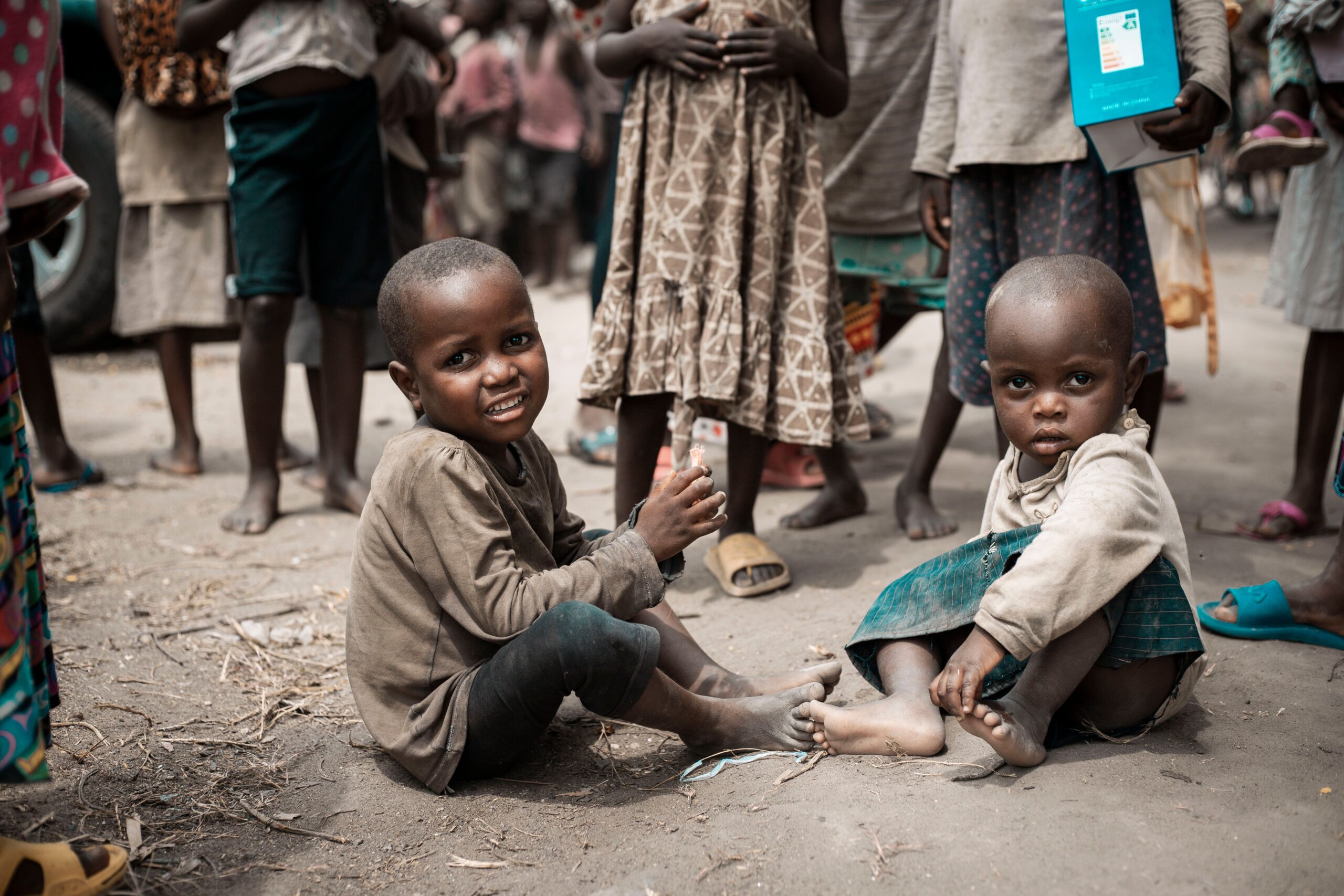
AFTACH team or community members preparing or participating in a programme activity
A solid team that no matter the obstacles, will have to reach every vulnerable child, communities and families.
SHARED RESPONSIBILITY

Working alongside families and communities

Children's wellbeing is shaped by the environments in which they grow, learn and develop. Families, caregivers, schools, community groups and local service providers can all play important roles in creating supportive conditions for children.

AFTACH values an approach that recognises local knowledge and encourages respectful cooperation. Community members should have opportunities to share their perspectives, ask questions and understand the purpose of activities that affect them. Participation should be meaningful rather than limited to attendance or the appearance of consultation.

Supporting caregivers without blame

Families may face complex pressures that affect their ability to meet children's needs. A constructive approach recognises those circumstances while maintaining the importance of children's safety and rights. Communication should avoid shaming families or making unsupported assumptions about why a child is experiencing difficulties.

Respecting community knowledge

Local people often understand the practical realities of their environment, including existing support networks, cultural context and barriers to services. Their knowledge can help inform planning, provided that decisions continue to protect children's rights and remain consistent with appropriate safeguarding standards.

Encouraging shared responsibility

Cooperation can help identify practical ways to support children and improve access to relevant services. Responsibilities should be agreed clearly, with realistic expectations about what each person or organisation can contribute. Community participation should not be used as a substitute for the resources, expertise or accountability that an activity requires.

Learn more about the different areas in which AFTACH seeks to support children and communities on our Programs page.

AFTACH community members, caregivers or partners working together
We put children at the centreof every thing regards.
COOPERATION AND PARTNERSHIPS

Working together where cooperation adds value

No organisation can meet every need affecting children on its own. Responsible cooperation can help connect people with appropriate knowledge, services and resources while strengthening the quality of support available to families and communities.

Working with relevant services

Depending on the need, cooperation may involve schools, health services, community organisations, public institutions or qualified specialists. The purpose should be clear, and any referral or information sharing should respect privacy, safeguarding responsibilities and applicable requirements.

Building responsible partnerships

Effective partnerships require clear objectives, agreed responsibilities, realistic commitments and open communication. Each partner should understand what they are expected to contribute and how concerns or disagreements will be handled.

Valuing different contributions

People may contribute through professional skills, appropriate materials, financial support, volunteering, knowledge or community engagement. Contributions should match genuine needs and be managed responsibly rather than accepted without considering their usefulness or implications.

Keeping children's interests central

Partnerships should not compromise children's dignity, privacy or safety. Fundraising, publicity and organisational interests must not take priority over their best interests. Any partnership involving children requires appropriate safeguarding consideration and clearly understood boundaries.

LEARNING AND IMPROVEMENT

Listening, reviewing and learning from experience

Responsible work does not end when an activity has been delivered. Reflection and review help an organisation understand what happened, what challenges arose and what might need to change in future.

Understanding what was delivered

Appropriate records can help show whether planned activities took place, what resources were used and whether the intended participants could access the support. The information collected should be relevant to the activity, proportionate to its purpose and handled with due care for privacy.

Listening to feedback

Feedback from children, caregivers, community members, staff and partners can reveal strengths and areas needing improvement. Feedback channels should be accessible and safe, and people should be able to raise concerns without intimidation or unfair treatment. Any safeguarding disclosure requires appropriate attention rather than being treated as ordinary programme feedback alone.

Distinguishing activities from outcomes

Completing an activity does not automatically demonstrate that a lasting change has occurred. Responsible reporting distinguishes what was planned, what was delivered, who was reached and what evidence is available about the results. Claims about impact should be supported by appropriate information rather than assumptions or unsupported numbers.

Making improvements where needed

Reviews may identify practices worth continuing, barriers that require a different response or activities that should be adjusted. Learning should inform future decisions and help ensure that available resources are used as carefully as possible.

Honest progress matters more than impressive claims.

AFTACH's approach should distinguish intentions from activities actually undertaken and verified outcomes. Clear communication about progress, challenges and limitations helps supporters and partners make informed decisions.

PROTECTING CHILDREN THROUGHOUT OUR WORK

Safeguarding is part of every stage

Child safeguarding is not a separate consideration to be added after plans are complete. It should inform decisions from initial engagement and planning through implementation, communication, review and partnership management.

This means thinking carefully about who may have contact with children, how activities are supervised, how concerns can be raised and how personal information is handled. It also means considering risks associated with transport, events, digital communication, photography, volunteers and external partners.

Children should not be asked to participate in activities that place them at unnecessary risk, and their images or stories should never be used in ways that undermine their dignity or privacy. Adults working with children should understand expected conduct and the appropriate steps to take when a concern arises.

Where a situation requires specialist assistance or formal intervention, it is important to seek appropriate support rather than attempting to manage matters beyond one's competence. Children's immediate safety and best interests must remain central.

Read more about these commitments on our Child Safeguarding page. You can also learn about responsible oversight and organisational responsibilities on our Governance and Accountability page.

EVERY CHILD SAFE. EVERY CHILD SCHOOLED. EVERY CHILD HOPEFUL.

Help Us Build a More Supportive Future for Children

We welcome conversations with individuals, organisations and communities that share a commitment to children's wellbeing. Whether you want to learn more, explore a possible partnership or discuss a practical idea, we invite you to connect with AFTACH.

Email: info@aftach.org   |   Phone: +256 705 630 377