Before an activity can make a meaningful contribution, it is
important to understand the situation it is intended to address.
Planning should be informed by real circumstances rather than
assumptions about what children or families need.
Listening to children and caregivers
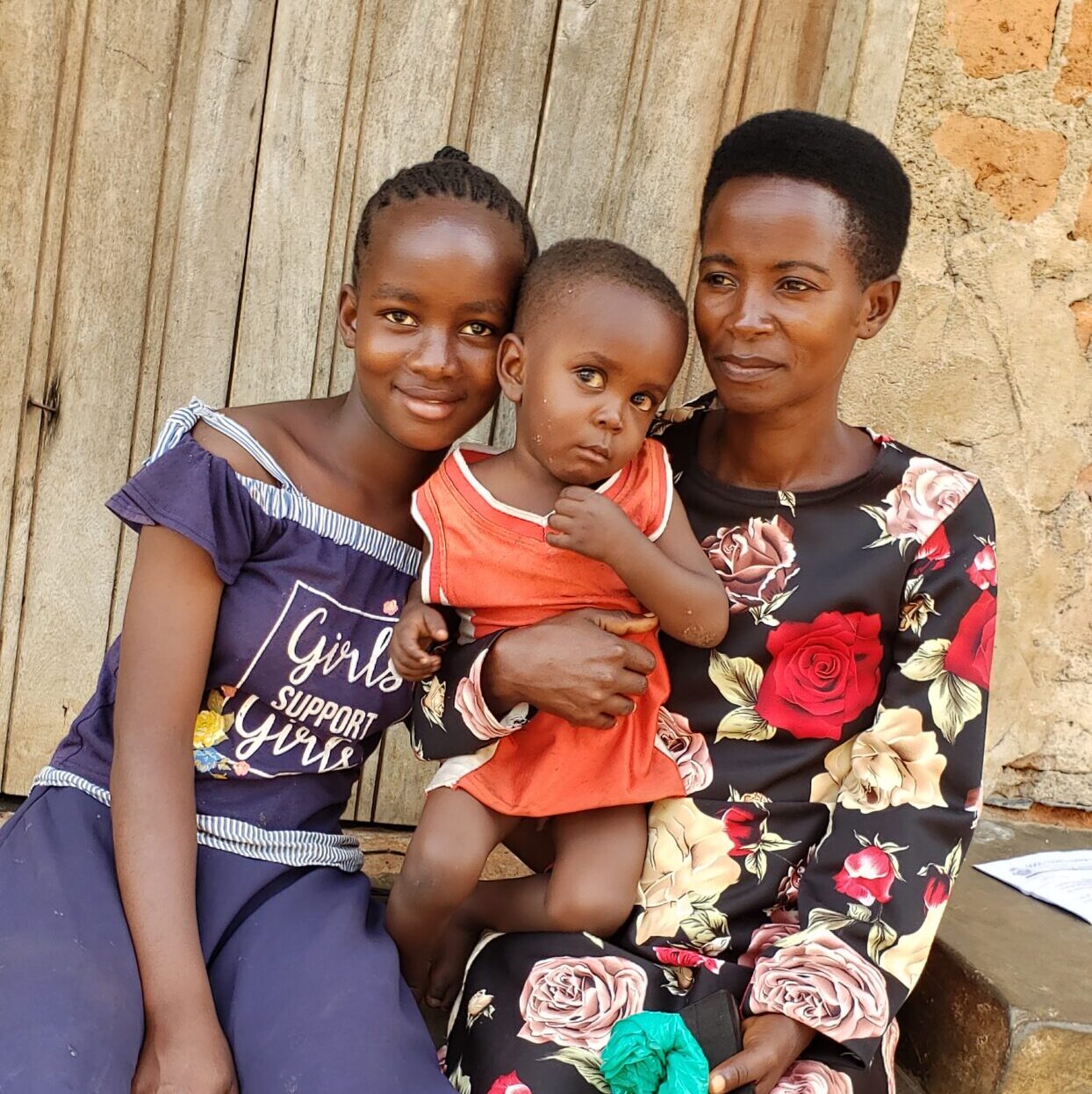
Children and their caregivers may describe challenges differently
from institutions or service providers. Listening respectfully
can help reveal practical barriers, existing support networks
and opportunities for improvement. Discussions should be handled
sensitively, especially where children may be describing difficult
or personal experiences.
Children must never be pressured to disclose private information,
recount distressing experiences for publicity or participate
in activities that make them feel unsafe. Where a child raises
a safeguarding concern, their immediate safety and appropriate
referral or response must take priority over programme research
or routine information gathering.
Recognising local strengths and challenges
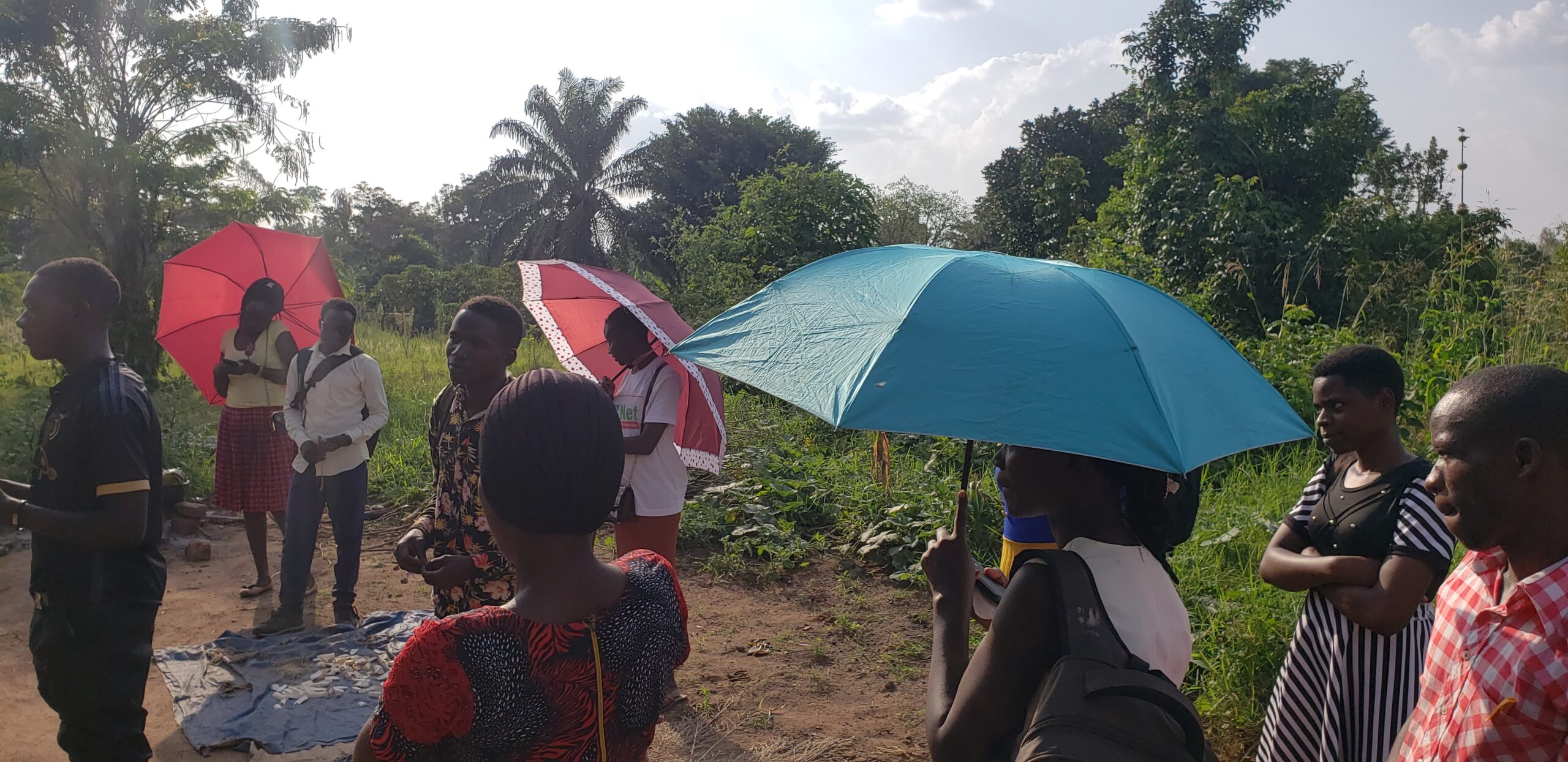
Communities have different resources, relationships and services.
Schools, caregivers, community groups, health workers and other
local actors may already be providing important support. Understanding
what exists helps avoid unnecessary duplication and can identify
where cooperation might be useful.
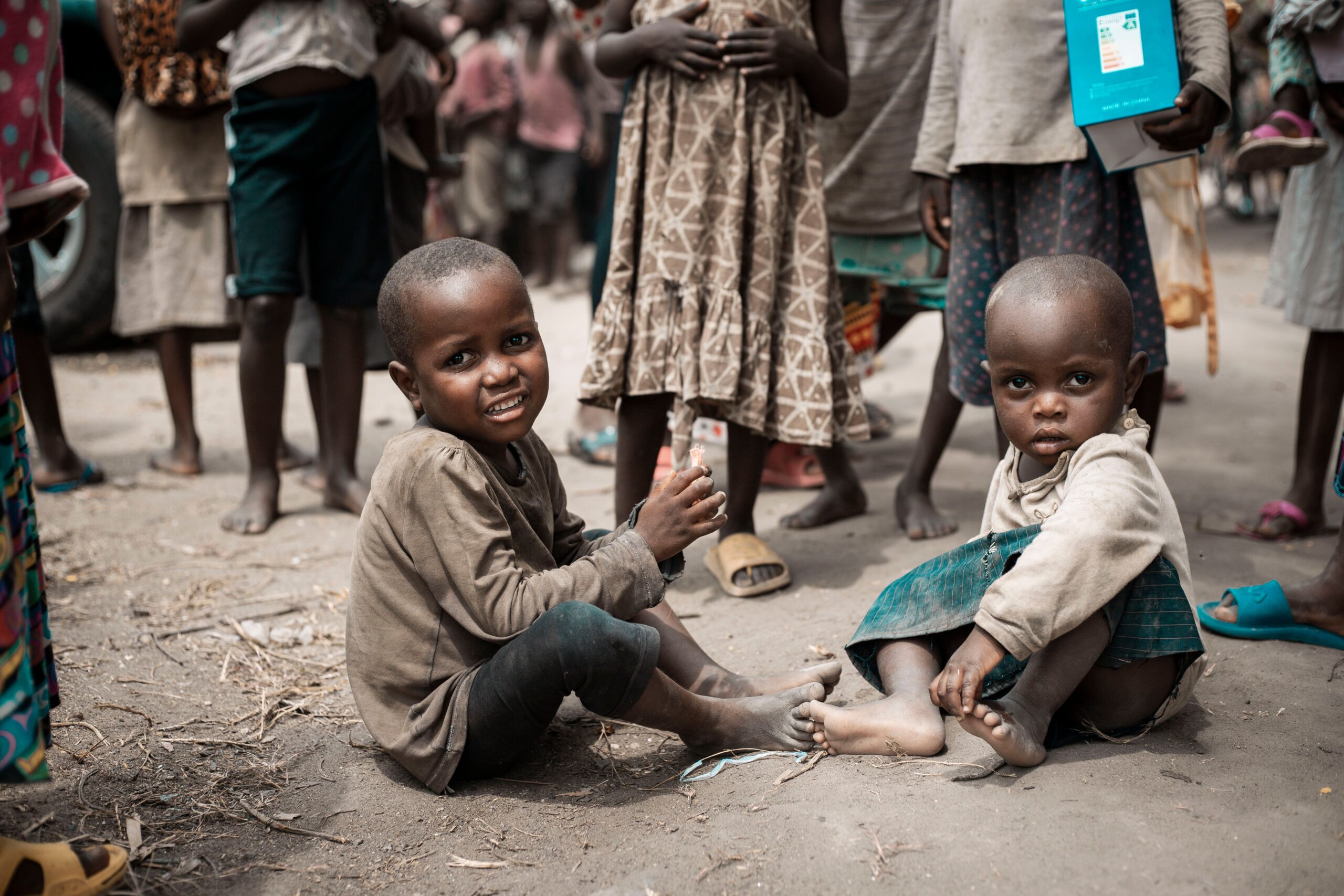
It is equally important to recognise barriers that families may
face, including limited resources, distance from services, inadequate
facilities or difficulties accessing information. Any assessment
should be proportionate, respectful and mindful of the time and
privacy of the people involved.
Identifying priorities carefully
Not every identified need can be addressed at once. Decisions
should take account of urgency, potential risks to children,
available resources, organisational capacity and the presence
of appropriate partners or specialist services.
Where needs exceed the organisation's expertise or resources,
responsible action may involve seeking technical advice, working
with qualified service providers or helping people identify
appropriate services. It is important to be clear about what
the organisation can and cannot provide.
Protecting privacy during engagement
Information about children and families should be collected only
when there is a legitimate reason to do so, handled securely
and shared only when appropriate. Photographs, personal stories
and identifying details require particular care. Consent should
never be treated as permission to ignore a child's safety,
dignity or best interests.